Systèmes Éconergie Before & After Photos
Click on a photo to enlarge.
Attic insulation in Saint-Jean-Sur-Richelieu, QC


A homeowner in Saint-Jean-Sur-Richelieu, QC, was increasingly worried as winter approached, facing significant humidity problems in their attic. The space was plagued by a persistent odor and insufficient insulation, raising concerns about the impact on both comfort and heating bills during the colder months. Our specialist discovered several sources of air infiltration, particularly around recessed lighting and where wires and pipes entered the attic. These issues led to excessive humidity buildup, creating a perfect environment for mold growth.
To resolve these issues, we removed the old, inadequate insulation and sealed all identified air infiltration points. The areas affected by mold were thoroughly cleaned and disinfected to eliminate any traces of contamination. We then installed new cellulose insulation, achieving an R60 thermal resistance, which ensured stable indoor temperatures and optimal energy efficiency. This comprehensive solution not only prevented future humidity and mold problems but also provided the homeowner with peace of mind as winter approached.
Attic Insulation in Lavaltrie, Quebec


A homeowner in Lavaltrie, Quebec, contacted us concerning increased humidity levels and significant air leakage within their attic, which were compromising the overall energy efficiency of their home. Upon conducting a thorough inspection, our specialist identified inadequate insulation and numerous unsealed air gaps as clear contributors to the homeowner's concerns. To address these issues, we first removed the deteriorated existing insulation materials, which no longer provided sufficient thermal resistance. Next, we meticulously sealed all sources of air infiltration using ZypFoam, an advanced spray-applied foam designed to eliminate air leaks.
Following the air sealing, we blew in about 16-inch of TruSoft cellulose insulation, reaching a R60 insulation value, which is optimal for preventing heat loss in most of the regions in South Quebec. The cellulose insulation, not only provides superior thermal performance but also offers a natural resistance to pests and mold. These upgrades have improved the attic’s energy efficiency, ensuring better temperature regulation, reduced heating and cooling costs, and safeguarding the home against moisture infiltration and potential mold growth.
Perfect Attic Insulation in Saint-Mathis-Sur-Richelieu, Quebec


Our client living in Saint-Mathias-Sur-Richelieu, Quebec was dealing with ice dams forming on their roof during winter time. After seeing our posts on social media, they reached out to us for a permanent solution. During the free inspection, our specialist noticed that the existing insulation within the attic was insufficient and that there was excess moisture in the attic. To address the issue, our team began by removing the old insulation, before sealing all air leaks throughout the attic. We also installed vents along the soffits to restore proper ventilation, and then we blew in over 16 inches of our TruSoft cellulose insulation to reach a thermal value of R60. Result? A properly insulated attic and a comfortable living area.
High-performance attic insulation in Sabrevois, QC
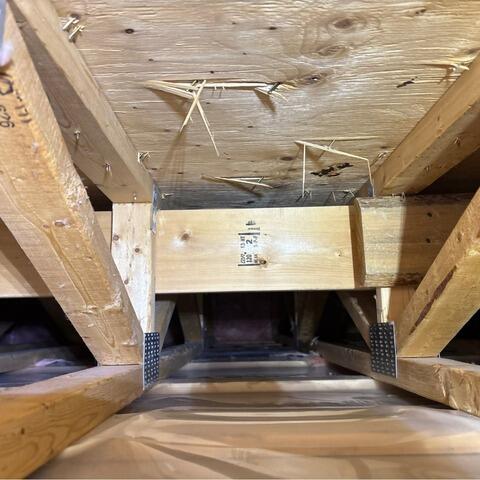
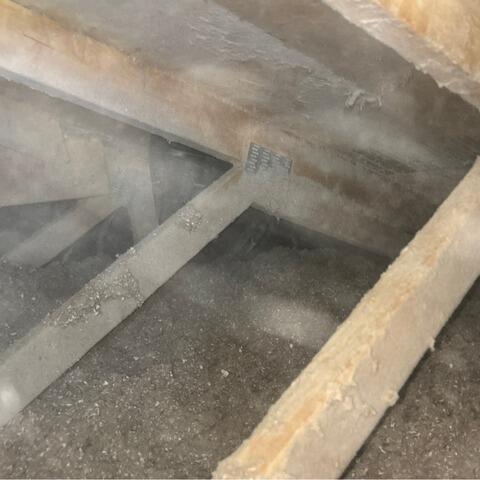
During this attic insulation project in Sabrevois, our team first removed the old, ineffective insulation in order to inspect the structure and prepare the space for a complete upgrade. We then sealed air leaks around openings, cables, and ducts to improve the attic's airtightness and limit heat loss. An insulated hatch cover and SilverGlo insulation panels were installed to reinforce the insulation at the attic access point. Finally, we applied a new layer of TruSoft blown cellulose insulation, known for its ability to evenly cover the surface and improve the home's energy performance. This work has optimized energy efficiency, increased indoor comfort, and reduced heating costs thanks to high-performance, durable attic insulation.
Perfect Attic Insulation in Boloeil, Qc


Our client in Boloeil had concerns about their attic. During the inspection, our specialist noticed excessive and uncomfortable heat, as well as damage to the existing insulation.
The specialist identified that this overheating was primarily due to air leaks coming from various sources, including around the chimney, recessed lighting, and through cable and pipe passages. These same air leaks also cause significant heat loss, resulting in a drop in indoor temperature during winter. This phenomenon increases the demand on heating and cooling systems, leading to higher energy costs.
Our solution involved removing the damaged insulation, thoroughly sealing all air leakage points, and installing new, high-performance insulation.
The client expressed complete satisfaction with the results, as well as with the professionalism of our team throughout the process.
our service area
We serve the following areas
